
The history of Damascus is one of the oldest and richest in the world. From its ancient beginnings to modern times, the history of Damascus reveals remarkable stories of culture, empire, and civilization. In this article, you will learn the most asked questions and key facts about the history of Damascus in a way that is easy to read, engaging, and SEO‑optimized according to RankMath guidelines.
What Is the History of Damascus?
The history of Damascus refers to the complete timeline of one of the world’s oldest continuously inhabited cities. Located in modern‑day Syria, Damascus has seen numerous civilizations rise and fall. Its strategic location made it central to trade, culture, religion, and politics in the Middle East throughout history.
Understanding the history of Damascus means exploring how this city evolved from a small settlement to a major urban center that influenced religion and culture across continents.
1. Ancient Beginnings (Before 1000 BCE)
The early history of Damascus begins in prehistoric times. Archaeological evidence shows settlement activity in the Damascus area that dates back to the Neolithic period. Because of its water supply and fertile lands, Damascus became a key location for early communities long before written records.
Research into the earliest phase of the history of Damascus indicates that the city was already thriving before 1000 BCE. These early settlements grew because of the Barada River, which supported agriculture and trade.
2. Damascus in the Bronze Age and Early Empires
During the Bronze Age, the history of Damascus became more complex. Ancient texts mention Damascus as a significant city in regional trade networks. By about 2000 BCE, Damascus was known to other major powers of the day.
The history of Damascus from this era shows influence from Egyptian and Mesopotamian civilizations. These early connections shaped the city’s culture and economy, setting the stage for centuries of growth.
3. Aramaean Control and Cultural Flourishing (c. 11th–9th Centuries BCE)
Around 1100 BCE, Aramaean tribes gained control of the city. This period is central to the history of Damascus because it was the first time Damascus became a capital of a kingdom — the Aramaean Kingdom of Damascus.
The history of Damascus during Aramaean rule shows the city becoming a cultural hub. Aramaic language and script spread widely, influencing communication across the ancient Near East.
4. Assyrian and Babylonian Conquests
Over time, strains between expanding empires affected the history of Damascus dramatically. The Assyrians conquered the city around the 8th century BCE. Later, the Babylonians exerted influence as well.
These periods were marked by military campaigns, rebuilding efforts, and new administrative systems. The history of Damascus shows cycles of conflict and reconstruction throughout these centuries.
5. Persian and Greek Periods
By the 6th century BCE, the history of Damascus continued to evolve when the Persian Empire included the city in its domain. Under Persian rule, the history of Damascus shifted toward integration with a larger imperial network extending across Asia.
Later, Alexander the Great conquered the region, bringing Greek influence into the history of Damascus. This brought changes to architecture, language, and city planning.
6. Roman and Byzantine Era (64 BCE – 634 CE)
One of the most influential phases in the history of Damascus began when the Romans took control in 64 BCE. For centuries afterward, Damascus stayed under Roman, then Byzantine, rule.
The history of Damascus under Roman governance brought prosperity. The city became part of the Roman Province of Syria. Roads, temples, and public buildings flourished in this era. Christianity also spread throughout the region during the Byzantine period, directly impacting the history of Damascus and its religious heritage.
7. Islamic Conquest and Umayyad Rule
In 634 CE, Muslim armies conquered Damascus. This moment is pivotal in the history of Damascus because the city became the capital of the Umayyad Caliphate — one of the earliest Islamic empires.
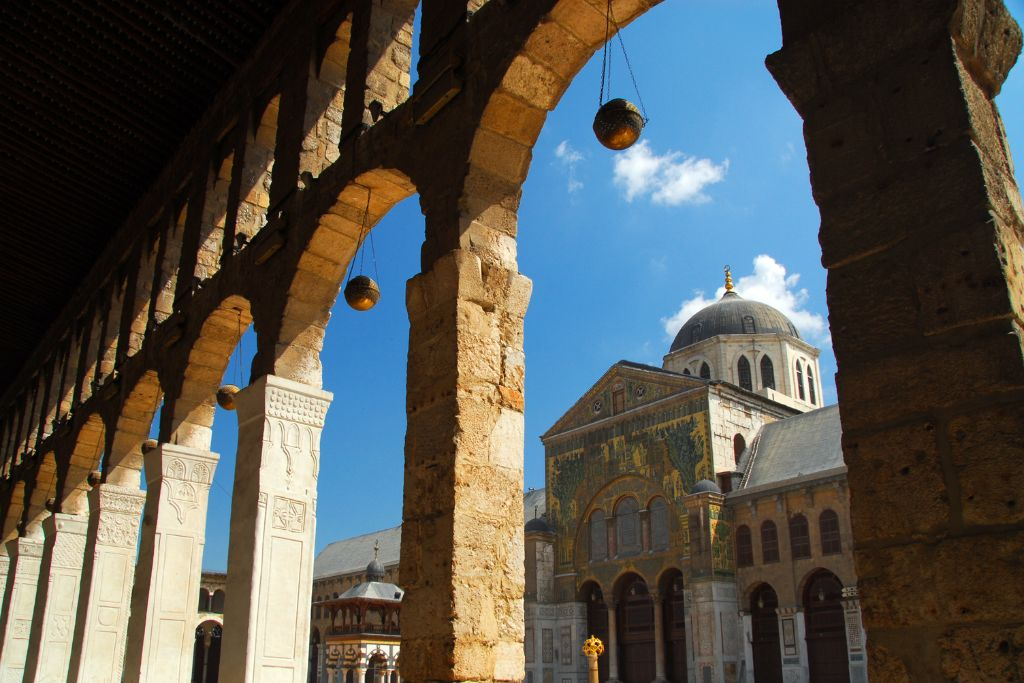
The history of Damascus under the Umayyads shaped not only the city but also the wider Islamic world. The iconic Umayyad Mosque was built during this era, becoming one of the most important landmarks in the history of Damascus and Islamic architecture.
8. Later Islamic Dynasties and Cultural Expansion
After the Umayyads, the history of Damascus saw many dynasties come and go. These included the Abbasids, Mamluks, and Ottomans. Each period left deep marks on the city’s culture, infrastructure, and society.
During Ottoman rule, which lasted from the 16th to early 20th centuries, the history of Damascus reflects long periods of stability with architectural and cultural development. Markets (souks), mosques, and public buildings expanded because Damascus remained integral to Ottoman trade routes.
9. Modern Era — Mandate and Independence
The history of Damascus in the 20th century was shaped by global politics. After World War I, Damascus became part of the French Mandate. Later, it became the capital of the independent Syrian state in 1946.
The history of Damascus since independence shows growth, conflict, and resilience. Despite regional wars and political upheavals, the city persists as a cultural and political center.
10. Damascus Today — Legacy and Heritage
Today, the history of Damascus lives in its architecture, customs, and people. The Old City of Damascus is a UNESCO World Heritage site. It represents centuries of history of Damascus, from ancient walls to religious sites and traditional bazaars.
Whether you study ancient empires or modern culture, the history of Damascus offers lessons in continuity, diversity, and human achievement.
Why the History of Damascus Matters
Understanding the history of Damascus helps explain not only Syrian heritage but also broader world history. Because it connected continents, religions, and empires, Damascus became a living crossroads.
The history of Damascus also teaches about coexistence. Muslims, Christians, and Jews lived here for centuries, contributing to the city’s dynamic character.
For more details on ancient civilizations and Middle East history, you can visit World History Encyclopedia (https://www.worldhistory.org).
📌 Key Facts to Remember About the History of Damascus
| Topic | Key Point |
|---|---|
| Age | One of the oldest continuously inhabited cities in the world |
| Ancient Era | Early settlement before 1000 BCE |
| Aramaean Era | Capital of Aramaean Kingdom |
| Roman Period | Major provincial city under Roman and Byzantine control |
| Islamic Era | Capital of the Umayyad Caliphate |
| Modern Era | Capital of the Syrian Arab Republic |
The history of Damascus remains an essential subject for students, historians, and travelers alike.
Visit Damascus: A Living Museum
If you are planning a trip to Syria, exploring the history of Damascus firsthand brings ancient stones and stories to life. Walk through the old city gates, explore historic mosques, and browse markets that have existed for centuries.
For internal reference and travel resources, see our guide on Top Historical Sites in the Middle East and Ancient Cities You Should Visit in 2026.

