
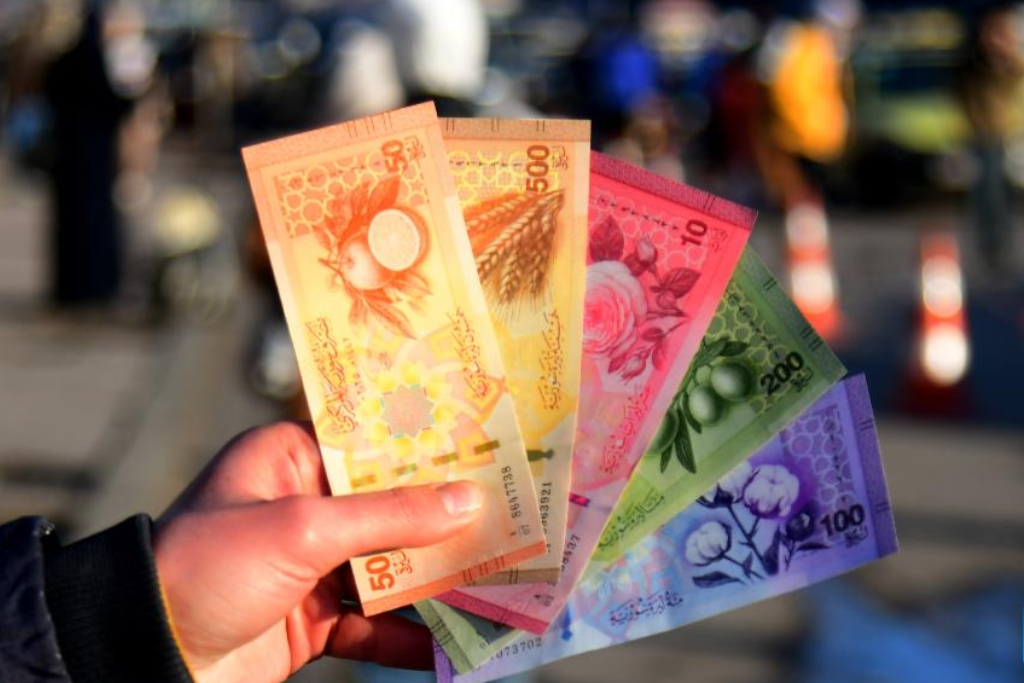
Understanding currency and exchange rates in Syria is one of the most‑asked questions by travelers, investors, and expatriates planning to visit or do business in the country. This practical guide answers key questions, explains how exchange rates work in 2026, and offers tips to manage money effectively while in Syria.
From the basics of the Syrian pound to where and how to exchange money safely, this article will cover essential facts about currency and exchange rates in Syria that every visitor should know before traveling.
What Is the Currency in Syria? Introduction to Currency and Exchange Rates in Syria
The national money used in Syria is the Syrian Pound (SYP). When discussing currency and exchange rates in Syria, the first thing to understand is that the value of the Syrian pound can differ significantly depending on location, demand, and current economic conditions.
As of 2026, the Syrian pound continues to float, meaning its value against major currencies like the US dollar and euro changes frequently. Therefore, knowing the latest exchange rates and how to convert money safely is essential for travelers.
If you want to see live global currency data, reputable resources like XE Currency Converter offer real‑time rates for the Syrian pound and other currencies. (external followed link: https://www.xe.com/currencyconverter/)
How Currency and Exchange Rates in Syria Affect Travel Budgets
One of the key factors people ask about currency and exchange rates in Syria is how it impacts travel budgets. Due to fluctuations in value, prices for accommodation, food, and transportation can vary widely.
For instance, if the Syrian pound weakens against the US dollar, items priced in SYP can become cheaper for visitors holding stable foreign currencies. However, exchange rates can change quickly, so always check rates shortly before or during your trip.
Using up‑to‑date exchange rate information helps you plan daily costs with confidence and avoid last‑minute surprises.
Why the Exchange Rate in Syria Is Unique
Understanding currency and exchange rates in Syria also means knowing why Syria’s exchange rate is different from what you might see in other countries.
Unlike some nations with fixed currency values, Syria has a floating exchange rate, which means the market largely determines the value of the Syrian pound. Economic factors, supply and demand for foreign currency, and international sanctions all influence how currency and exchange rates in Syria behave over time.
On Google Trends, search interest for terms like “Syrian pound exchange rate” often spikes when there are market shifts or political developments, showing how important this topic is for people planning travel or business.
Where to Exchange Money: Best Practices for Currency and Exchange Rates in Syria
Knowing where to exchange money is one of the most practical parts of understanding currency and exchange rates in Syria. Here are safe and recommended options:
1. Banks
Official banks in major cities like Damascus and Aleppo offer currency exchange services. Although rates may be less competitive than street exchange desks, banks are generally trusted and secure.
2. Licensed Exchange Bureaus
Authorized money changers often offer better exchange rates. When exchanging, always request a receipt and count your money carefully before leaving the counter.
3. Airport Exchange Counters
Airport exchange offices provide convenience upon arrival. However, these often offer less favorable exchange rates compared to banks in town.
Whichever option you choose, always check the current rate before exchanging money so you know you are receiving a fair deal.
How Exchange Rates in Syria Are Calculated
Calculating the rate for currency and exchange rates in Syria involves comparing the value of the Syrian pound (SYP) to the currency you hold, such as USD, EUR, or GBP.
Exchange rates are usually quoted as how many Syrian pounds equal one unit of foreign currency. For example:
- 1 USD = X SYP
- 1 EUR = Y SYP
Rates change throughout each day. To understand current rates without needing to be in Syria, online tools like the OANDA exchange rate charts provide historical and live data for the Syrian pound and other currencies (external followed link: https://www.oanda.com/currency/live‑exchange‑rates/).
Tips to Get the Best Exchange Rates in Syria
If you are planning a trip and want to make the most of currency and exchange rates in Syria, the following tips can help:
- Check Multiple Sources: Compare rates at banks, official bureaus, and online platforms before making exchanges.
- Avoid Black Market Exchange: While unofficial markets may offer higher rates, dealing with unauthorized sellers carries high risk.
- Use Cash Wisely: ATMs are not widely available nationwide, so plan how much cash you may need before traveling.
- Keep Receipts: Always save exchange receipts; some banks may allow you to reconvert leftovers when departing.
These proactive steps help ensure that your money goes as far as possible while managing currency and exchange rates in Syria.
Common Mistakes Travelers Make About Currency and Exchange Rates in Syria
Travelers frequently make these mistakes when handling currency and exchange rates in Syria:
- Not checking live exchange rates: Relying on old data can lead to unfavorable exchanges.
- Leaving cash unattended: High amounts of cash should be kept secure, as theft can occur in crowded areas.
- Assuming rates are the same everywhere: Exchange rates may differ between banks, hotels, or exchange bureaus.
Avoiding these miscues helps travelers stay on budget and minimizes money‑related stress.
Payment Methods: How Currency and Exchange Rates in Syria Relate to Transactions
While cash in SYP is the main payment method in Syria, some hotels and larger businesses accept major credit cards or foreign currency. Knowing how currency and exchange rates in Syria influence payment choices helps you plan better.
For example, paying in cash may provide more flexibility and better pricing due to lower service fees. In contrast, card payments sometimes include bank charges or use exchange rates that are less favorable than cash.
Therefore, it’s wise to ask about accepted payment methods ahead of time and understand how your bank handles international transactions.
How to Track Changes in Currency and Exchange Rates in Syria
Since currency and exchange rates in Syria can fluctuate quickly, regularly tracking changes matters. The following tools help you stay updated:
- Currency converter apps – provide live rate updates.
- Travel news websites – report major financial changes affecting exchange rates.
- Banks’ published rates – available online and updated daily.
Making tracking part of your travel routine empowers you to make informed decisions while in Syria.
Safety Considerations Linked to Currency and Exchange Rates in Syria
Because currency and exchange rates in Syria reflect broader economic conditions, safety remains a priority when handling money. Always choose reputable exchange services, avoid exchanging cash in open markets without authorization, and ask hotel staff for guidance if unsure.
If you experience uncertainties about current rules or regulations, you can always check official travel advice from your government or professional sources like the U.S. Department of State travel advisories (external followed link: https://travel.state.gov/content/travel/en/international‑travel).
How the Economy Impacts Currency and Exchange Rates in Syria
The value of the Syrian pound often responds to economic signals such as:
- Supply of foreign currency within the country
- Import and export activity
- Political developments or sanctions
- Central bank policies
As these factors shift, so do currency and exchange rates in Syria. Therefore, visitors and investors closely monitor news to forecast possible changes in rates.
Frequently Asked Questions About Currency and Exchange Rates in Syria
What currency should I bring to Syria?
Visitors typically bring major currencies such as USD or EUR for conversion. Both exchange easily compared to lesser‑known currencies.
Can I use credit cards in Syria?
While some larger hotels may accept credit cards, most daily purchases still require cash in SYP due to infrastructure limitations.
Is it safe to exchange money on the street?
No. Always choose licensed banks or registered exchange bureaus to avoid scams.
Internal Resources: Learn More About Traveling in Syria
For additional travel planning information that may help alongside understanding currency and exchange rates in Syria, see our guides:
- Things to Do in Damascus – Explore top cultural and historic activities.
- Things to Do in Aleppo – Discover must‑see locations in another major Syrian city.
Final Thoughts on Currency and Exchange Rates in Syria
To summarize, understanding currency and exchange rates in Syria is essential for anyone planning a trip or financial activity in 2026. Because the Syrian pound’s value fluctuates, staying informed, choosing safe exchange methods, and tracking rates regularly will help you manage your budget effectively.
By using this comprehensive guide, you now know how exchange rates work, where to change money, how to avoid common pitfalls, and how finance influences your travel experience.
If you are preparing for travel to Syria, keeping a close eye on currency and exchange rates in Syria will give you confidence and control over your finances throughout your visit.

