
Understanding Syrian customs and traditions is one of the most frequently asked questions by travelers, expatriates, and those interested in Syrian culture. Syria has a rich history shaped by centuries of cultural exchange, religion, and local practices. Learning about these customs helps visitors respect social norms, avoid misunderstandings, and enjoy a more meaningful travel experience.
This guide will explore the top Syrian customs and traditions, covering social etiquette, family life, food culture, festivals, and more.
Syrian Customs and Traditions: Greeting Etiquette
One of the first Syrian customs and traditions visitors notice is the unique way people greet each other. In Syria, handshakes are common among men, often accompanied by a slight nod or placing the hand on the heart. Women may greet each other with a light kiss on each cheek, depending on familiarity and family traditions.
It is important to respect these customs, especially in formal or religious settings. Avoid initiating a greeting with someone of the opposite gender unless you are invited. Observing local greetings is an essential part of understanding Syrian customs and traditions.
Hospitality: A Core Syrian Tradition
Hospitality is a cornerstone of Syrian customs and traditions. Guests are treated with utmost respect, often offered tea, coffee, or sweets upon arrival. Accepting these offerings is polite and appreciated.
Sharing meals and hosting visitors is deeply embedded in Syrian culture. Family members often spend hours preparing traditional dishes, reflecting the value placed on welcoming others. Travelers who understand this tradition will notice that hospitality is more than politeness—it is a key part of daily life.
Family and Social Hierarchy in Syrian Customs and Traditions
Family plays a central role in Syrian society. Respect for elders is an important element of Syrian customs and traditions. Children are taught from a young age to value family relationships and show respect for older relatives.
Decisions are often made collectively, and elders’ opinions are highly respected in both family and community matters. Understanding the centrality of family helps visitors navigate social interactions and appreciate local perspectives.
Traditional Syrian Clothing
Traditional clothing is another notable aspect of Syrian customs and traditions. While modern attire is common in cities, many people wear traditional outfits for weddings, religious events, and festivals. Men may wear long robes called jalabiyas, and women sometimes wear embroidered dresses called thob.
These garments reflect local identity and heritage. Observing local clothing customs shows respect and enhances understanding of Syrian customs and traditions.
Food and Dining Traditions
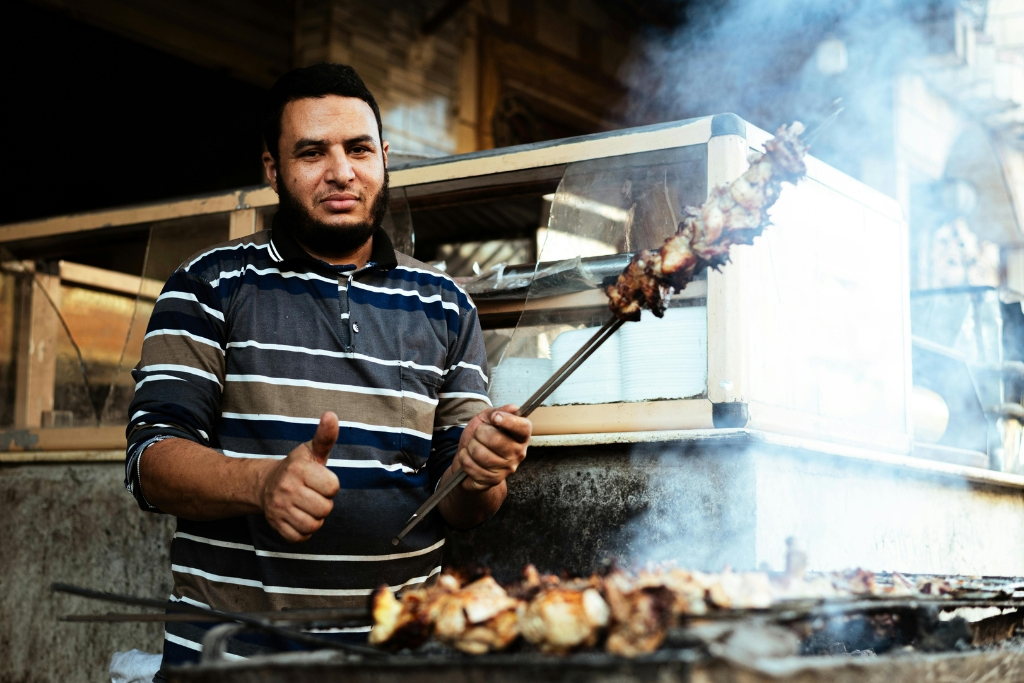
Food is a vital element of Syrian customs and traditions. Syrian cuisine is known for dishes such as kibbeh, hummus, tabbouleh, and baklava. Meals are often communal and include multiple courses.
When dining in Syria, it is customary to wash hands before and after meals. Sharing food with guests symbolizes hospitality and respect. Moreover, refusing an offered dish without reason may be considered impolite, making dining etiquette a key component of Syrian customs and traditions.
Religious Practices and Celebrations
Religion shapes many Syrian customs and traditions. Syria is home to Muslims, Christians, and other religious communities, each with their own practices.
Muslims observe daily prayers and the holy month of Ramadan, when fasting from dawn to sunset is common. Festivals such as Eid al-Fitr and Eid al-Adha include family gatherings, gift-giving, and special meals. Christians celebrate Christmas and Easter with unique traditions. Understanding religious practices helps travelers avoid unintentional disrespect.
For more information on religious festivals in Syria, visit the UNESCO cultural heritage page.
Weddings and Marriage Traditions
Weddings are significant social events in Syrian culture. Syrian weddings follow long-standing customs, making them an essential part of Syrian customs and traditions.
Engagements often involve family negotiations and celebrations, and weddings include music, dancing, and elaborate meals. Traditional practices vary by region but commonly feature ceremonial henna for the bride and a blend of modern and traditional attire.
Guests are expected to bring gifts and participate in festivities, reflecting the community-oriented nature of Syrian society.
Funerals and Mourning Traditions
Respect for the deceased is an integral part of Syrian customs and traditions. Funerals usually occur quickly after death, often within 24 hours, and involve prayers, communal mourning, and support for the grieving family.
Visitors should dress modestly and follow the family’s lead. Participation in mourning rituals is considered a gesture of respect, and offering condolences is an important social practice.
Festivals and National Celebrations
Syria celebrates numerous cultural and national festivals, each reflecting unique Syrian customs and traditions. For example, Independence Day on April 17 marks Syria’s freedom from colonial rule. Traditional music, dance, and food are central to celebrations.
Other cultural festivals include folk dance performances, art exhibitions, and local craft fairs. Attending these events allows travelers to experience authentic Syrian customs and traditions.
Syrian Music and Dance
Music and dance are deeply embedded in Syrian life. Traditional dances like dabke are performed at weddings and festivals, symbolizing unity and community. Folk music, featuring instruments such as the oud and tabla, is an important part of Syrian customs and traditions.
Learning about local music and dance provides insight into Syrian identity and offers an engaging way for visitors to connect with culture.
Respecting Social Norms in Public Spaces
Understanding public behavior is essential for observing Syrian customs and traditions. Modesty in clothing, polite speech, and careful attention to religious practices are expected in public areas.
Avoiding loud or disrespectful behavior, especially near religious sites, demonstrates awareness of local customs. Travelers who follow social norms are more likely to receive positive interactions with locals.
Gifts and Etiquette in Syrian Culture
Gift-giving is an important aspect of Syrian customs and traditions. Visitors often bring small gifts such as sweets, flowers, or souvenirs when invited to someone’s home.
Presentation matters: wrapping gifts and offering them respectfully reflects cultural awareness. This practice strengthens social bonds and is a practical way to show respect for Syrian traditions.
Internal Travel Resources for Syrian Culture
For travelers interested in learning more about Syrian culture alongside Syrian customs and traditions, our guides on Things to Do in Damascus and Things to Do in Aleppo provide insights into local architecture, markets, and social life.
These resources allow visitors to explore Syria more deeply and understand how customs influence daily life.
Final Thoughts on Syrian Customs and Traditions
To summarize, Syrian customs and traditions encompass greetings, hospitality, family values, clothing, food, religious practices, celebrations, music, dance, and etiquette. Respecting these practices enhances travel experiences and fosters meaningful interactions with locals.
Travelers who take time to understand Syrian customs and traditions will enjoy Syria more fully, appreciate its rich heritage, and show respect to the communities they visit.
Learning about customs before arrival ensures smoother social interactions, deeper cultural appreciation, and a safer, more enjoyable journey through one of the Middle East’s most historically rich countries.

